Line 06
Quiet hours
A phone can hold back almost everything overnight. Setting that up takes a few minutes.
Almost every phone has a setting for quiet hours, under one name or another: Do Not Disturb, Bedtime, Sleep, Focus. It silences calls and notifications during a set window, usually overnight, and lets a short list of exceptions through. Many people never set it up, and many who do set it too loosely to help.
Deciding who gets through
The useful question is who should be able to wake you. For most people it is a small number: a partner, children, parents, perhaps one close friend or a neighbor. Those contacts go on the allowed list. Everyone else waits until morning.
Most phones also offer an option to let a call through if the same number tries twice within a few minutes. It is worth leaving on. A real emergency usually involves someone calling again, and a sales call almost never does.
Testing it once
After setting it up, test it. Ask someone on the allowed list to call late one evening, and ask someone who is not on it to send a message. A setting that has never been tested tends to fail on the one night it matters, usually because an allowed contact was saved under an old number, or because some second app was left free to make noise.
Apps that need an exception
A few apps deserve permission to break through: a home alarm, a medical device, a weather app set to warn of storms. Government emergency alerts on most phones arrive whatever these settings say. Everything else, from news to shopping to games, can wait.
Keeping the phone at a distance
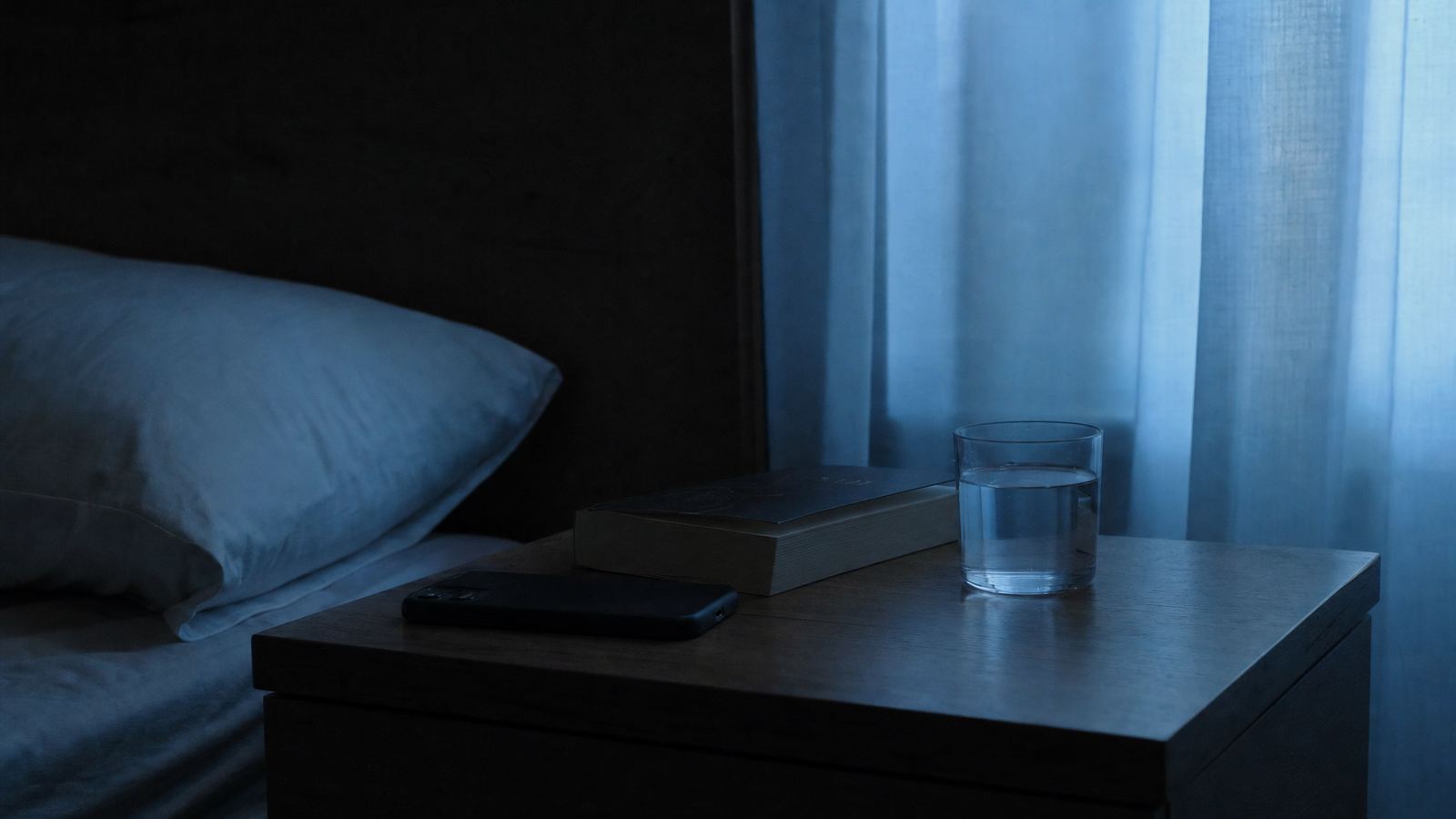
Quiet hours work best when the phone is also a few steps from the bed, face down or in a drawer, where a glance at the screen takes some effort. The habit of checking it during the night tends to do more harm than any single notification. A cheap alarm clock solves the most common reason people give for keeping the phone within reach.
Using it during the day
The same tools work for an hour of concentrated work, a meal, a long drive or a conversation that deserves full attention. A schedule can switch them on automatically. Short, regular windows of quiet make it easier to stay with the thing in front of you, and easier to read what came in afterward with a clear head.