Line 05
Calls from numbers you don't know
Unknown callers used to be rare and worth answering. The odds have changed.
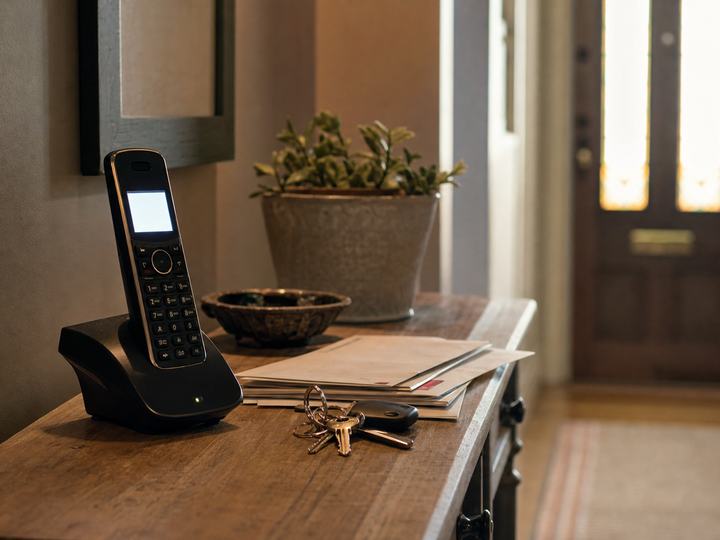
An unknown number on the screen used to mean something. A doctor's office calling with results, a new coworker, a school nurse, a repair shop. Answering was the sensible default, and missing a call could cause real trouble.
For many people that default has flipped. Automated sales calls, scam calls and calls with a faked caller ID have become common enough that an unknown number is more likely to be noise than news. The result is a habit of ignoring every call that is not already in the contacts list, which works most days and fails badly on the day the hospital, the school or the pharmacy calls from a number nobody saved.
A few habits that help
Let unknown calls go to voicemail, and check voicemail. Real callers leave messages, especially offices with something to tell you. Automated calls usually hang up or leave a recording that is easy to recognize.
The voicemail greeting matters here too. A greeting that gives a first name and nothing more tells a real caller they reached the right person without handing a stranger anything useful. It also helps to clear old messages now and then, since a full mailbox sends the call that matters nowhere at all.
Save the numbers that matter before you need them: the children's school, the doctor's office, the pharmacy, the veterinarian, the after-hours line for anyone you rely on. Many offices call out from a main number that differs from the one printed on their card, so it helps to save that number the first time it shows up.
Be wary of any call that presses you to act quickly, especially one that asks for payment, a code sent by text, or personal details. Hang up and call back on a number you already trust, from a statement, a card or an official website. A real bank, agency or utility will still be there.
The tools on the phone
Most phones now offer a setting that silences calls from numbers not in your contacts and sends them straight to voicemail. Carriers offer their own call labeling and blocking, often free. In the United States, the National Do Not Call Registry lets people register a number so that legitimate telemarketers stop calling it. Scammers ignore it, but it does cut down the calls from companies that follow the rules.
Keeping a door open
Total silence for unknown numbers has a cost. People waiting on a job offer, a callback from a clinic, or news about a relative in another town may want to leave the door open for a while, then close it again. Some keep a second habit for those weeks: answer, say nothing until the caller speaks, and hang up if it is a recording. Once the expected call arrives, the setting can go back to silence.
The ring itself has lost its authority. Deciding ahead of time which calls deserve an answer, and setting the phone up to match, gives some of that authority back.